
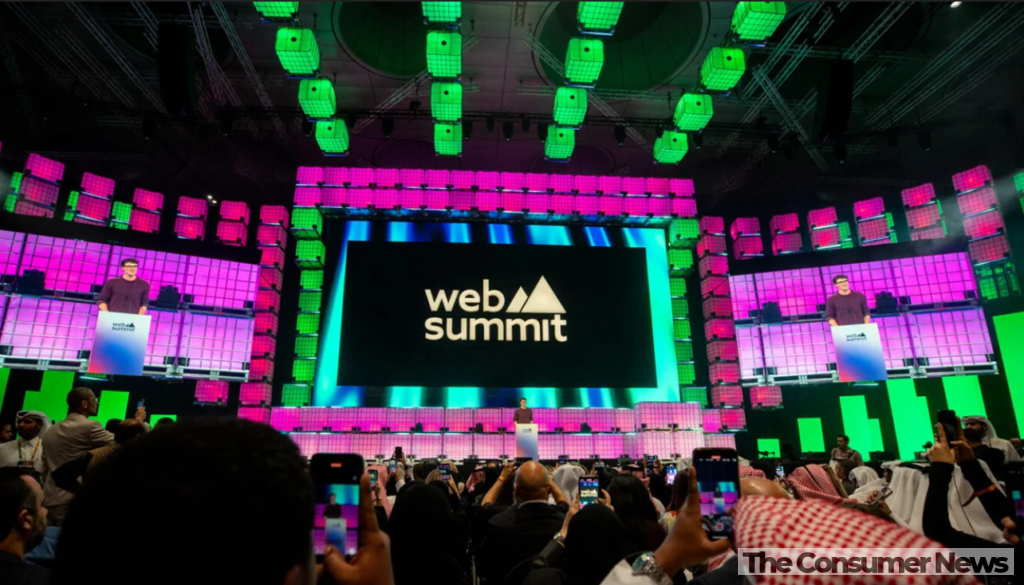
As Web Summit Qatar 2026 opens in Doha, the spotlight is firmly on how emerging markets are reshaping the global tech economy and Africa is part of that conversation.

The summit brings together over 1,600 startups and nearly 1,000 investors from 127 countries, creating opportunities for African founders seeking funding, partnerships and global exposure. With Doha positioning itself as a gateway between the Middle East, Africa and South Asia, the event is increasingly relevant for startups looking beyond local markets.
This year’s discussions around artificial intelligence, climate technology, fintech and the creator economy mirror challenges and opportunities facing African economies, from digital inclusion to regulatory reform.
For African tech players, provides access to capital, policy conversations and global networks that are often concentrated in Europe or North America.
As global tech power becomes more distributed, platforms like Web Summit Qatar could play a growing role in shaping how African innovation connects to the rest of the world.

Historically, African founders seeking global exposure have looked primarily to hubs such as London, Berlin or Silicon Valley. Web Summit Qatar offers an alternative route, one geographically closer, politically strategic and increasingly aligned with Global South priorities.
Qatar is positioning Doha as a connector between Africa, the Middle East, Asia and Europe. That positioning is particularly significant for African startups aiming to scale across borders, attract international investment or access markets in the Gulf and South Asia. The summit creates a space where African innovation can sit alongside global players, rather than on the margins of Western-dominated tech conversations.
With nearly 1,000 investors present, Web Summit Qatar provides African founders access to capital that is often difficult to reach. Gulf-based venture capital firms, sovereign wealth-linked investors and multinational corporations are increasingly exploring opportunities in African markets, drawn by the continent’s young population, growing digital adoption and expanding fintech, health tech and climate tech sectors.
Beyond funding, the summit offers African startups exposure to policymakers and regulators shaping digital economies. Conversations around artificial intelligence governance, digital regulation and data policy are especially relevant for African countries navigating how to balance innovation with inclusion and protection.
For founders, being present in these discussions is critical. Decisions made at global forums often shape the rules that emerging markets must later adapt to.
Many of the summit’s core themes artificial intelligence, climate technology, fintech, digital infrastructure and the creator economy mirror challenges facing African economies.
AI tools are increasingly being deployed in agriculture, health and education across Africa, while climate technology is central to addressing energy access and environmental resilience. Discussions at Web Summit Qatar around responsible AI, clean energy transitions and digital inclusion resonate strongly with African realities.
At the same time, Africa’s fast-growing creator economy aligns with global conversations about platform power, monetisation and digital labour. The presence of global creators and platform executives at the summit reflects how cultural influence and technology are becoming intertwined economic forces.
By hosting a major global tech summit, Qatar is using convening power as a form of soft power; a strategy that creates space for Africa and other Global South regions to engage on more equal footing. For African countries and startups, this opens new diplomatic and commercial channels that bypass traditional gatekeepers.
For African founders, investors and creators, Web Summit Qatar represents access: to capital, to conversations, and to global networks that shape the future of technology.