

Follow us on Facebook, YouTube, X (Twitter), Instagram, WhatsApp and Telegram for the latest consumer news, product recalls, price changes and market updates daily.
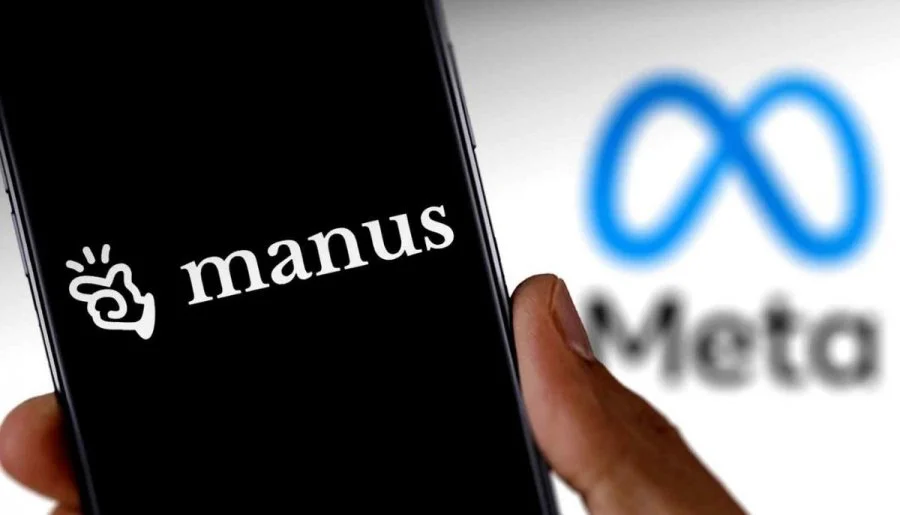
China has moved to block Meta Inc.’s planned $2 billion acquisition of agentic AI startup Manus, in a surprise decision that effectively ends what had initially been viewed as a landmark deal in the AI sector. The intervention marks a significant escalation in Beijing’s oversight of strategic technology transactions, particularly those involving artificial intelligence and cross-border investment.
Meta, the parent company of Facebook and Instagram, acquired Manus in December for more than $2 billion. The deal was meant to advance its capabilities in AI agents.
Chinese regulators have effectively stalled the integration by barring Manus executives, CEO Xiao Hong and Chief Scientist Ji Yichao, from leaving China.
In January, China also decided to conduct an investigation into whether the acquisition complies with laws and regulations related to tech export and import controls and overseas investment.
Manus gained a reputation For releasing what was claimed to be the world’s first general AI agent, leading state media to label it “China’s next DeepSeek.”
China’s National Development and Reform Commission ordered the cancellation of the acquisition in a brief statement issued on Monday.
The acquisition had attracted global attention due to its scale and the growing importance of AI capabilities in both commercial and geopolitical contexts. The deal came under scrutiny shortly after it was announced in December.
The proposed buyout prompted a Beijing-led investigation into potential illegal foreign investment and concerns over the export of sensitive technologies. Authorities examined whether the transaction could result in the transfer of advanced AI capabilities to the United States, reflecting broader tensions around technological sovereignty.

The investigation signalled a shift in China’s regulatory stance, particularly towards outbound technology flows involving high-growth startups.
The decision to block the acquisition follows mounting criticism within China regarding the potential loss of valuable AI technology to a geopolitical rival. Initially, the deal had been seen as a template for Chinese startups aiming to scale globally by partnering with or being acquired by international technology giants. However, sentiment shifted as concerns grew over the long-term strategic implications.
Companies operating in China’s technology ecosystem may face increased regulatory hurdles, particularly when engaging with foreign buyers. The decision may also deter similar deals, as startups and investors reassess the risks associated with cross-border transactions.
For global technology firms like Meta, the development highlights the growing complexity of navigating regulatory environments amid rising geopolitical tensions. The outcome signals that deals involving advanced technologies will face heightened scrutiny, with national security considerations increasingly shaping the trajectory of global investment flows.
Follow us on Facebook, YouTube, X (Twitter), Instagram, WhatsApp and Telegram for the latest consumer news, product recalls, price changes and market updates daily.