
Follow us on Facebook, YouTube, X (Twitter), Instagram, WhatsApp and Telegram for the latest consumer news, product recalls, price changes and market updates daily.
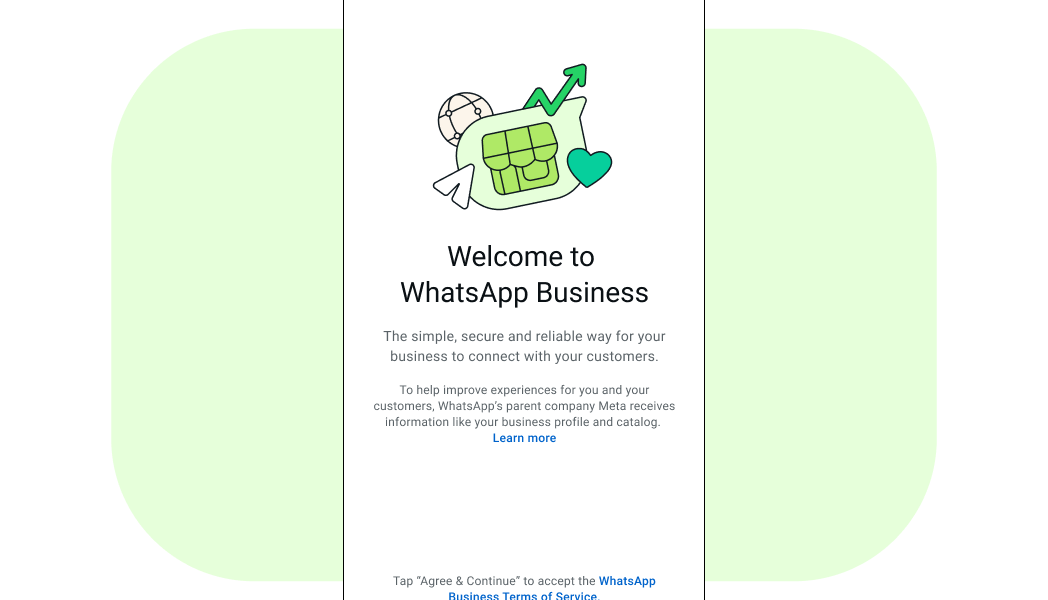
Nigerian businesses that use WhatsApp to interact with customers could face higher operating costs from October 1, 2026, as Meta introduces a new charging model for certain messages sent through its WhatsApp Business Platform.
The change is expected to affect companies that depend on WhatsApp for large-scale customer communication, including banks, fintech companies, retailers, airlines, telecommunications firms and online businesses.
Under the new system, businesses using the WhatsApp Business Platform will be charged for certain delivered messages that have previously benefited from free messaging within WhatsApp’s 24-hour customer service period.
Businesses, not ordinary WhatsApp users, will pay
The new policy does not mean Nigerians will suddenly have to pay to chat with friends and family on WhatsApp.
It is also different from the regular WhatsApp Business application used by many small businesses to communicate with customers.
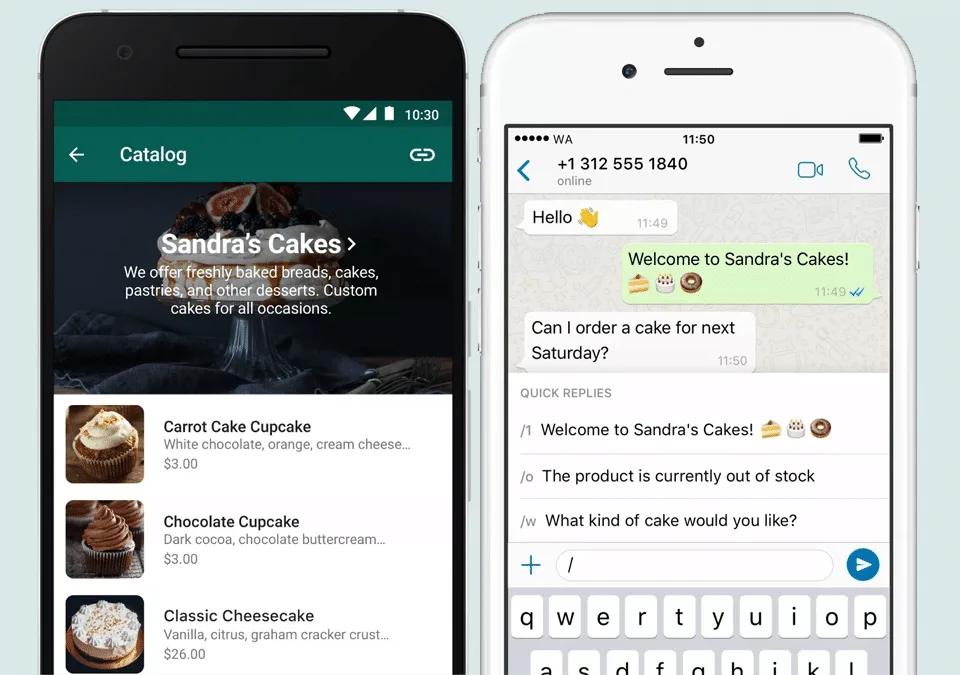
The charges are targeted primarily at companies using Meta’s WhatsApp Business Platform, a service designed for organizations that handle high volumes of customer conversations and often connect WhatsApp to customer-service systems, payment platforms and other business software.
This distinction means the immediate impact is likely to be greater for larger companies and businesses sending messages at significant scale.
How much will Nigerian companies pay Whatsapp?
The amount a business pays will depend on the category of the message and the number of messages delivered to Nigerian users.
Based on the reported pricing, a utility message delivered to a Nigerian phone number will cost approximately $0.0101, which is around ₦14 using the current exchange rate.
Marketing messages will attract a substantially higher charge of about $0.062, or roughly ₦84 per message.
For businesses sending only a few hundred messages, the additional expense may be relatively modest.
However, companies sending hundreds of thousands of messages could see the costs quickly accumulate.
For instance, if a fintech company sends 500,000 chargeable utility messages at $0.0101 each, its Meta messaging bill would be approximately $5,050, before any additional charges imposed by third-party business solution providers or software platforms.
WhatsApp has become an important customer-service and sales channel for Nigerian businesses. A retailer can use the platform to confirm an order, a bank can communicate with customers about transactions, while a fintech can send account-related notifications.
Businesses also use WhatsApp to answer enquiries, provide updates, promote products and maintain relationships with customers.
For companies that have built large communication operations around the platform, even a relatively small charge per message could therefore become a significant recurring expense.
The development could also encourage some businesses to review how frequently they contact customers and which messages need to be sent through WhatsApp.
The latest development forms part of Meta’s broader shift towards charging businesses based on the messages they send through WhatsApp.
In 2025, the company moved away from its earlier conversation-based pricing structure for business-initiated template messages and adopted a model that charges according to delivered messages.
The planned October 2026 changes would extend that approach by reducing some of the free messaging previously available for businesses communicating with customers within the 24-hour service window.
For businesses, the shift signals a broader change in the economics of using WhatsApp as a customer-engagement platform. What was once viewed primarily as a convenient communication channel is increasingly becoming another business expense that companies must factor into their customer-service and marketing budgets.
Despite the headline about WhatsApp introducing charges, the change should not be interpreted as a new fee for every Nigerian business using WhatsApp.
Companies using the standard WhatsApp Business app are not the main target of the new Business Platform pricing structure.
The distinction is particularly important for small businesses that use WhatsApp manually to respond to customers rather than operating automated, high-volume messaging systems.
The biggest exposure is likely to be among organisations using Meta’s business infrastructure to send large numbers of automated or template-based communications.
The timing is significant because WhatsApp has become deeply integrated into how many Nigerian businesses communicate with their customers.
From confirming purchases to answering complaints and sending transaction-related notifications, the platform has evolved beyond personal messaging into a major business communication channel.
As Meta increases its efforts to generate revenue from WhatsApp’s business ecosystem, Nigerian companies that rely heavily on the platform may have to reconsider their messaging strategies, budgets and customer-service channels.
The October 2026 changes could therefore mark another step in the transformation of WhatsApp from a largely free communication tool into a paid infrastructure for businesses operating at scale.
Follow us on Facebook, YouTube, X (Twitter), Instagram, WhatsApp and Telegram for the latest consumer news, product recalls, price changes and market updates daily.