

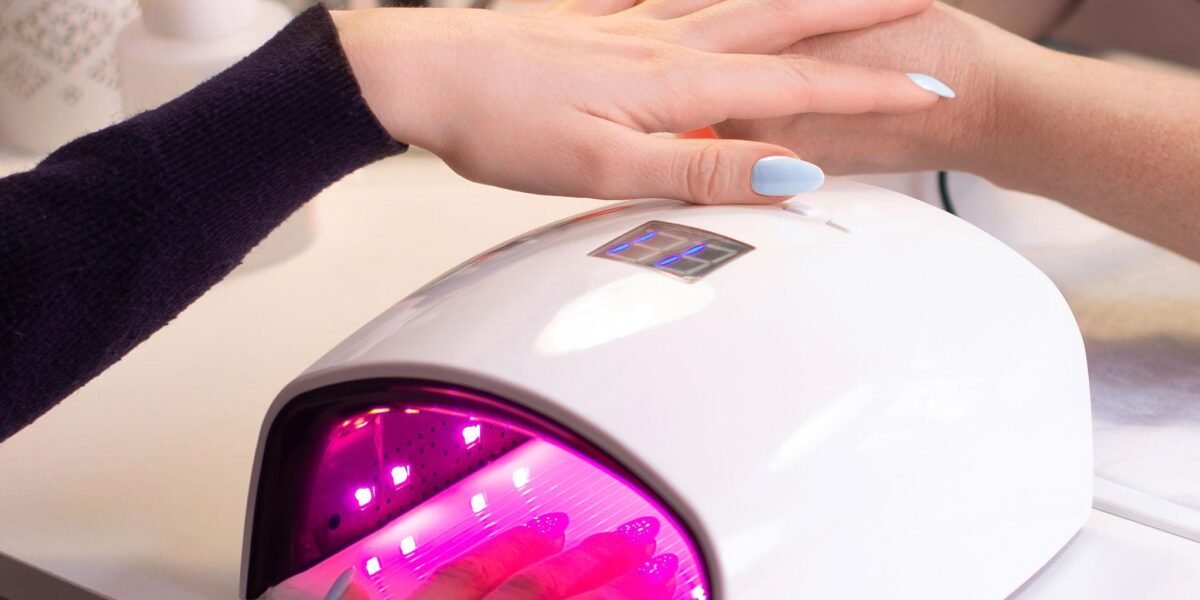
If you regularly get gel manicures, use gel nail kits at home or run a nail salon, there is a new warning you need to know about.
The European Union has just tightened its rules around a chemical found in some gel nail products and the reason for the crackdown has raised questions about what consumers are putting on their nails every few weeks.
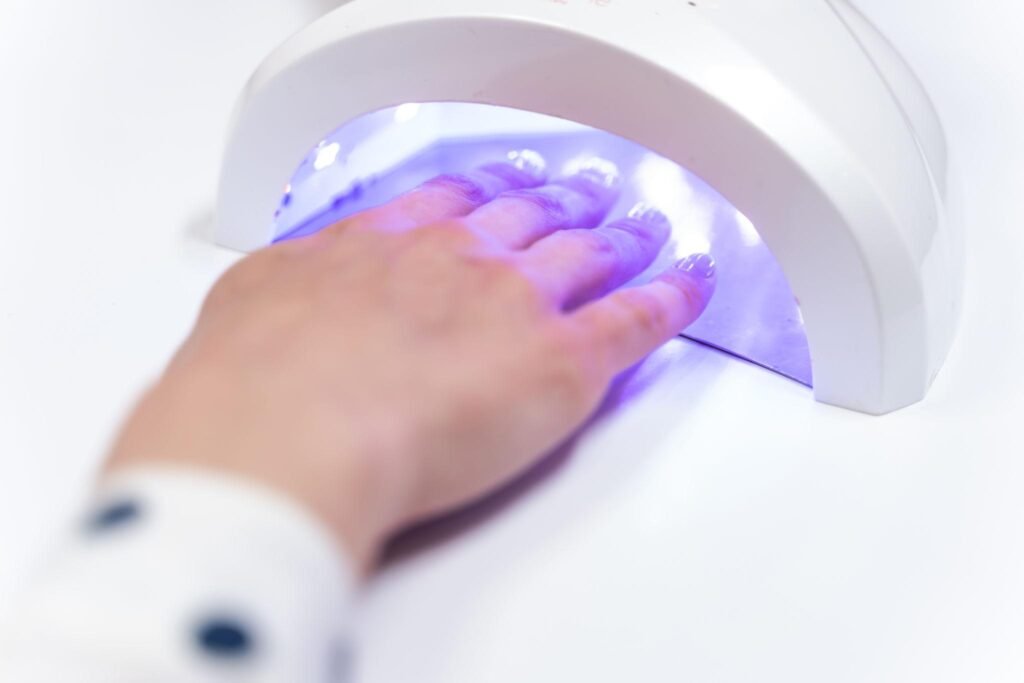
But before you panic, there is an important distinction: the European Union has not banned gel polish or gel manicures altogether.
Instead, the restriction targets a specific ingredient known as ”TPO”, short for Trimethylbenzoyl Diphenylphosphine Oxide.
And this is where things get interesting.
So, what exactly has been banned?
TPO, a chemical found in gel polish is a photoinitiator. In simple terms, it helps gel polish harden when exposed to UV or LED light.
That glossy, hard, long-lasting finish that makes gel manicures so popular depends on a chemical curing process. TPO has been one of the ingredients used to help trigger that process.
But regulators have become increasingly concerned about TPO’s safety classification.
The European Union banned TPO from cosmetics from September 1, 2025, after the substance was classified as a ”Category 1B reproductive toxicant”. The classification means regulators consider there to be sufficient evidence from animal data to classify the substance as potentially harmful to reproductive health.
From August 15, 2026, new cosmetic products containing TPO can no longer be placed on the EU market. There is also a transition period concerning existing professional stock, running until February 14, 2027.
Why should you worry?
This is the part many gel-polish lovers are asking about.
If TPO is being removed from cosmetic products because of its reproductive-toxicity classification, should women who have been using gel polish for years be concerned?
The answer isn’t as simple as “gel polish is dangerous.”
The regulatory action does not mean that every gel manicure has harmed consumers or that everyone who has used TPO-containing polish is at risk.
In fact, the EU’s own guidance notes that an earlier scientific assessment had considered TPO safe in certain professional UV-cured nail gels under specified conditions. However, that assessment predated the substance’s subsequent reclassification as a Category 1 CMR substance.
The important point is that regulators have decided the ingredient should no longer be used in cosmetics under the current classification.
That is enough reason to start paying attention to what is actually inside your nail products.
And here’s the part Nigerian consumers should pay attention to:
The EU restrictions don’t automatically mean that every product containing TPO has disappeared from other markets.
That matters because Nigerian consumers can buy beauty products through international websites, social media sellers, marketplaces and informal beauty supply channels.
A product that has been reformulated for the European market may not necessarily be identical to an older product being sold elsewhere.
And that’s why simply seeing a familiar brand name on a bottle isn’t enough. You need to look at the ingredients.
What should you look for on your gel polish?
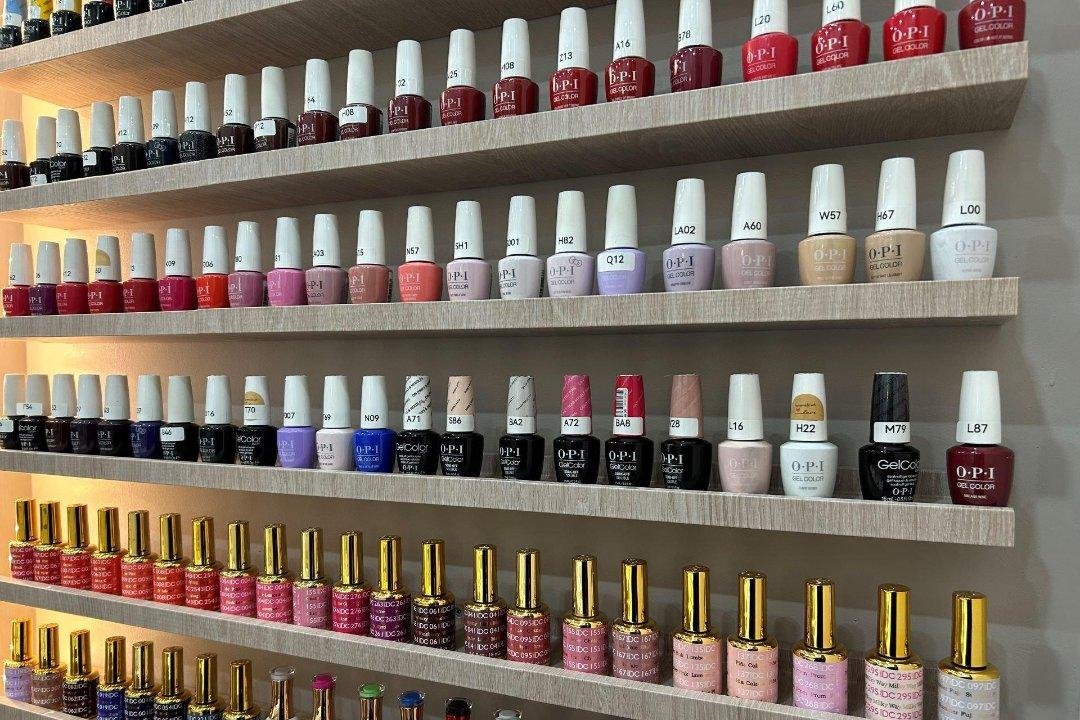
If you’re buying gel polish, particularly online or from an unfamiliar seller, check the ingredient list. Look specifically for ”TPO” or the full chemical name ”Trimethylbenzoyl Diphenylphosphine Oxide”.
If you are unsure about a product, ask your nail technician or supplier whether the formulation is ”TPO-free”.
Many manufacturers have already reformulated products using alternative photoinitiators, meaning that going TPO-free does not necessarily mean giving up the glossy, durable finish people love about gel manicures.
But TPO isn’t the only gel-nail concern. The TPO controversy has also put a spotlight on other potential problems associated with gel manicures. One of them is ”acrylate allergy”.
Ingredients used in gel systems, including methacrylates such as HEMA, can cause allergic contact dermatitis when uncured product repeatedly comes into contact with the skin. That can result in redness, itching, swelling, blistering or irritation around the fingers and nails.
Improper application can make the problem worse. If gel polish repeatedly touches the skin before being cured, you are increasing the opportunity for sensitization. This is one reason professional application matters.
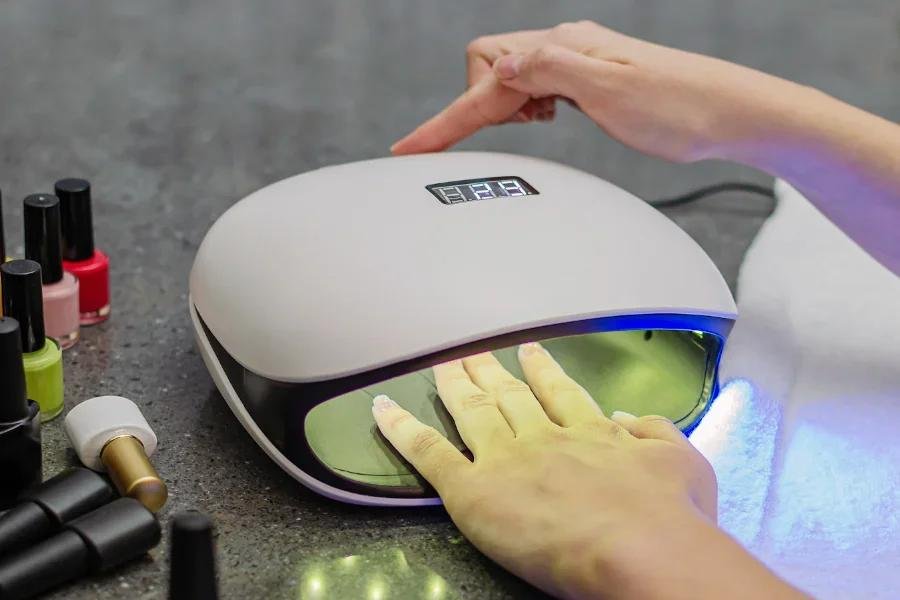
What about the UV or LED lamp?
There is another question that frequently comes up:”what about the lamp used to cure gel polish?
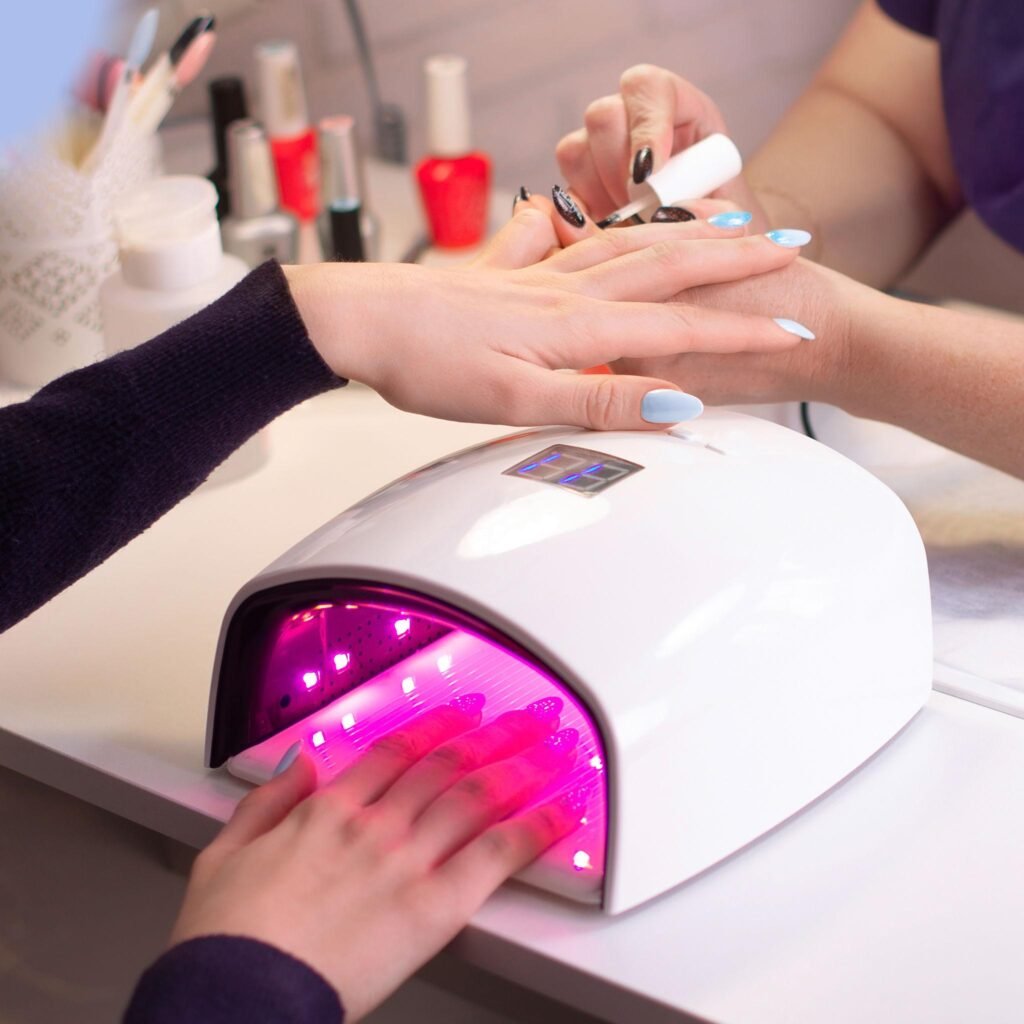
Gel manicures expose the hands to ultraviolet radiation, although the amount and frequency of exposure vary depending on the lamp, treatment and individual habits.
Dermatologists have raised concerns about cumulative UV exposure, while also noting that the overall risk from typical nail-lamp exposure appears relatively low.
Some experts therefore recommend simple precautions such as applying broad-spectrum sunscreen to the hands or using protective fingerless gloves during curing.
Does this mean you should stop getting gel nails?
Not necessarily. The European Union’s action is specifically about TPO, not a declaration that every gel manicure is unsafe. For consumers, the smarter approach is to become more informed.
So the next time you’re sitting in a salon waiting for your gel manicure to cure, don’t just ask: “What colour is this?”
Ask your nail technician: “Is the gel polish you’re using TPO-free?” and “What’s in it?”
If you do your nails at home, check the ingredient list before applying the product.
And if you notice persistent itching, swelling, blistering or irritation around your nails after a manicure, don’t simply assume it’s normal and keep applying more product.
Because the biggest warning from the EU’s TPO crackdown isn’t that gel nails are suddenly forbidden.
It’s that the ingredients matter and consumers deserve to know what they’re putting on their bodies.










[…] ALSO READ: EU Bans Chemical Found in Gel Polish: Why Nigerian Women Should Be Worried […]