
Nigerians do not buy bottled water because it is a luxury. For millions of people, packaged water is simply part of everyday life. We buy it at traffic lights, supermarkets, restaurants, offices, schools and roadside shops. We drink it at home and carry it around when we travel.
That is why the recent controversy involving CWAY and allegations about the condition of some of its bottles has caused so much concern.
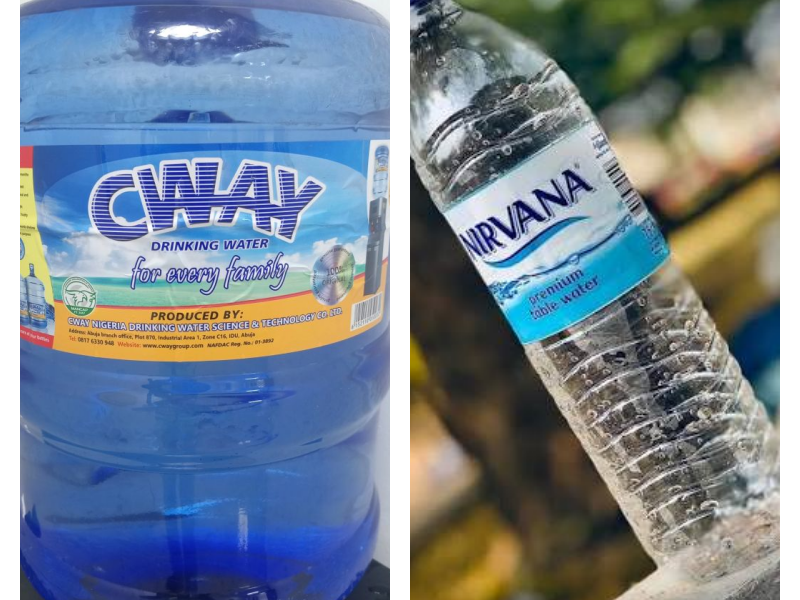
The controversy began after online inflencer Scott Iguma shared videos and images showing what he described as dirty bottles and particles allegedly found around CWAY and Nirvana Water products. The claims quickly spread online, triggering the kind of reaction Nigerians have become used to seeing whenever a familiar consumer brand comes under scrutiny.
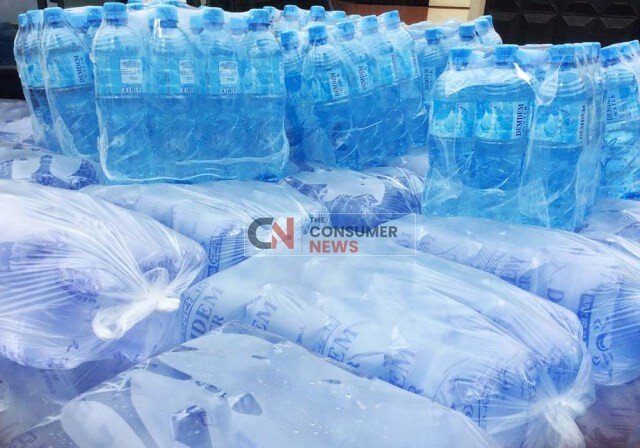
CWAY pushed back, insisting its processes meet standards and blaming transport for cosmetic flaws. But when reporters tried to investigate, CWAY said it was “not ready for the press.” One journalist who visited a retailers distribution yard found bottles stacked in a visibly dirty environment.
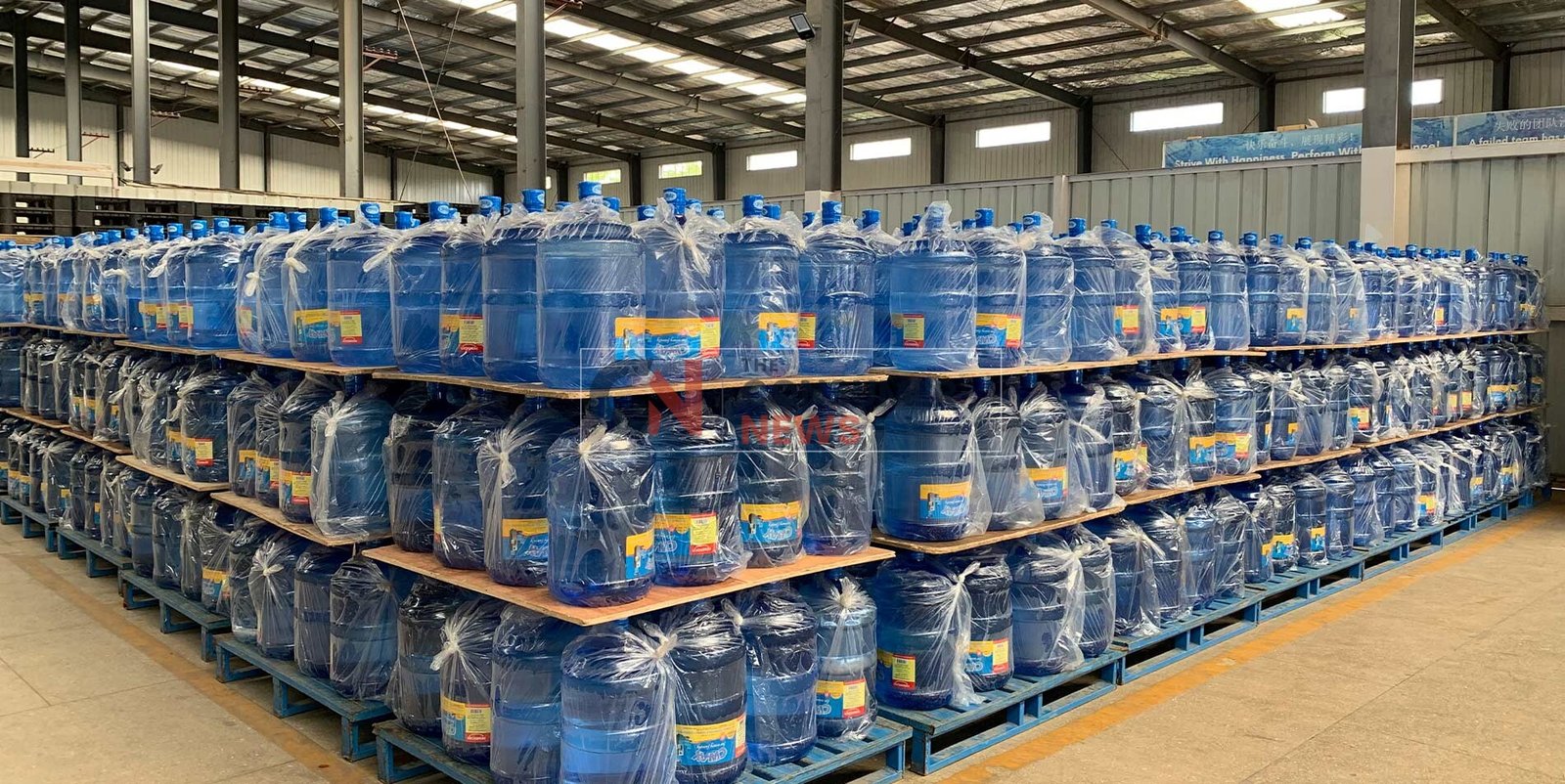
That observation does not, by itself, establish that the water inside those bottles was unsafe. But it raises a very reasonable consumer question: what happens to a product after it leaves the factory?
Nigerians, who rely heavily on packaged water, demanded answers, not from companies alone, but from regulators.
And that is where the story should become bigger than social media.
Whether the allegations eventually turn out to be completely true, partly true or unfounded, one question remains: how easily can an ordinary Nigerian find out what is actually going on?
That is the real issue.
A consumer who buys a bottle of water should not have to become an investigator before deciding whether it is safe to drink.
When the controversy gained attention, there were calls for journalists and other independent observers to get access to the company’s operations and see things for themselves. But CWAY reportedly indicated that it was not ready to receive the press at the time.
From a corporate communications point of view, the company may have had its reasons. But from the consumer’s point of view, it creates another problem.
If a company says its products are safe, consumers naturally want to know what evidence supports that assurance.
And if somebody is making serious allegations against the company, consumers also want to know whether those allegations have been independently investigated.
That is where regulators become important.
Nigeria already has agencies responsible for protecting consumers and regulating products. NAFDAC, for example, has an important role in ensuring that regulated products meet required safety and quality standards.
So when a major consumer controversy erupts, Nigerians should not have to depend almost entirely on viral videos, Facebook posts, TikTok clips and competing statements from activists and companies.
There should be an independent source of information.
Has the product been tested?
When was it tested?
What exactly was tested?
Were samples taken directly from the factory, from distributors, from shops or from consumers?
Were the samples contaminated?
If they were not contaminated, can the regulator explain that clearly?
And if there was a problem, what action was taken?
These are simple questions, but they matter.
The bigger concern is that Nigerian consumers often hear about regulatory action only after something has already gone viral.
By then, the damage has been done. People become afraid. Some stop buying the product. Others continue buying it because they believe the allegations are exaggerated. Social media arguments take over, and everyone becomes an expert.
That is not how consumer protection should work.
The regulator should ideally be ahead of the panic.
If packaged water companies are regularly inspected and their products are regularly tested, consumers should be able to see evidence of that monitoring. It does not need to be written in complicated government language. A simple public record showing what was inspected, when it was inspected and whether it passed would go a long way.
The same applies to companies.
Consumers are not asking manufacturers to be perfect. They are asking them to be accountable.
If a bottle gets damaged during transportation, explain it. If a distribution centre has a cleanliness problem, fix it. If an allegation is false, provide evidence that proves it wrong.
Saying “our products are safe” is useful, but showing consumers why they are safe is even better.
And there is another lesson here for companies in the packaged water business: the factory is not the only place where quality matters.
A product can leave a clean production line and still be exposed to problems during transportation, storage or distribution. That is why the entire journey from factory to consumer matters.
A bottle of water does not magically become safe simply because it passed through a factory inspection.
It has to remain safe until somebody opens it and drinks it.
For consumers, the lesson is equally simple: do not automatically believe everything you see online, but do not automatically dismiss serious complaints either. Ask questions. Look for official responses. Check the condition of products before buying them and report suspicious products through the appropriate channels.
The CWAY controversy will eventually produce its own findings. What those findings say should matter more than the noise surrounding the story.
But whatever the outcome, Nigeria should take something useful from this.
Consumers deserve more than viral videos. They deserve more than corporate statements. And they deserve more than regulators appearing only after public outrage has already erupted.
They deserve a system where safety is continuously checked, information is easily available and companies know that consumers are watching.
Water is too basic and too important for Nigerians to be left guessing about whether the bottle in their hands is safe.
The CWAY controversy may have started with bottles, dirt and allegations. But the bigger issue is trust.
And trust is built when companies are transparent, regulators are visible and consumers can independently find out the truth.
ALSO READ: EU Bans Chemical Found in Gel Polish: Why Nigerian Women Should Be Worried