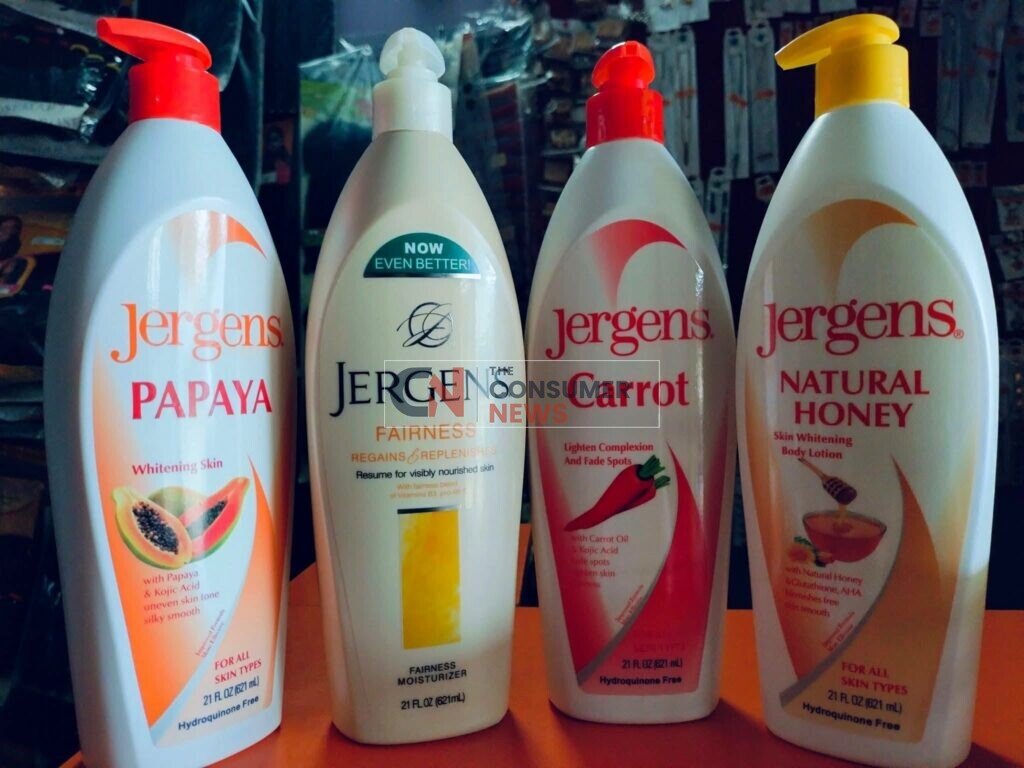

A growing debate over questionable skincare products in Nigeria has raised concerns about the use of “franchise” claims to establish authenticity, with consumer advocates calling for verifiable evidence of authorised manufacturing and distribution arrangements.
Questions are being raised about the authenticity of some skincare products sold in Nigeria after concerns emerged over the use of claims that unfamiliar products are “franchised in Dubai” to explain differences in packaging and product formulations.
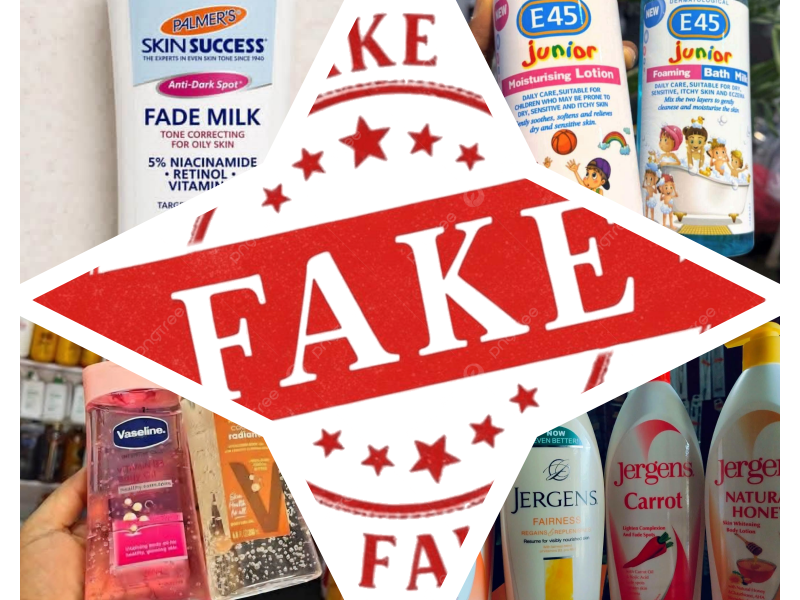
The debate centres on products bearing the names of established international brands, including Vaseline, Jergens, Dove and EOS, which critics say are difficult to verify through the brands’ official websites and publicly available corporate information.
In a social media post, a consumer advocate Ijeoma Chinoyerem challenged vendors who describe such products as franchise editions, asking them to identify the companies authorised to manufacture or distribute the products.
“Franchised to who?” she asked, arguing that claims of international licensing should be supported by verifiable corporate relationships.
What a legitimate franchise arrangement looks like:
International consumer brands frequently work with local manufacturers, bottlers, licensees and distributors to serve different markets.
However, these arrangements can generally be investigated through information about the companies involved, official brand communications, corporate websites and other documentation, depending on the nature of the agreement.
Several familiar brands illustrate how international production and distribution arrangements can be documented.
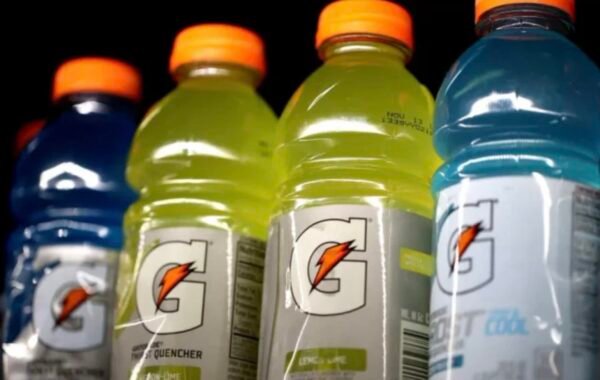
Capri-Sun products manufactured in Nigeria are associated with CHI Limited, while Nigerian Bottling Company is a major Coca-Cola bottler in the country. Seven-Up Bottling Company produces Pepsi products in Nigeria, and Nigerian Breweries manufactures Heineken under its relationship with the Heineken Group.
Similarly, Guinness Nigeria operates under a licensing arrangement with Guinness, while Dufil Prima Foods is associated with the production of Indomie noodles in Nigeria through its relationship with the brand’s parent business.
These examples demonstrate that international brands can have local production arrangements without necessarily manufacturing every product in their country of origin.
The existence of a local manufacturing arrangement, however, does not automatically establish the authenticity of every product bearing an international brand’s name.
Why the ‘Dubai market’ explanation is not enough
Products made for different international markets may vary in formulation, packaging, sizes, ingredients and product ranges.
A product that looks different from the version sold in the United States or the United Kingdom is not necessarily counterfeit. Brands sometimes tailor their offerings to regional consumer preferences, regulatory requirements and distribution arrangements.
However, the claim that a product was manufactured specifically for the Middle East does not, by itself, establish that it is genuine.
Consumers need more than a seller’s assurance that a product came from Dubai or was produced under a franchise arrangement.
Relevant evidence may include the manufacturer’s identity, the authorised distributor’s details, batch or lot information, appropriate regulatory documentation and confirmation from the brand owner.
Where a seller cannot identify the manufacturer or provide credible documentation supporting the claimed authorisation, consumers have reason to seek further verification before purchasing or using the product.
Counterfeit or improperly manufactured cosmetics may contain undisclosed ingredients, contaminants or substances at unsafe concentrations. Their ingredients, storage conditions and manufacturing processes may also be unknown.
Such products can cause skin irritation, allergic reactions and other adverse effects, depending on their composition.
In Nigeria, consumers can seek relevant product-registration and safety information through the National Agency for Food and Drug Administration and Control (NAFDAC). However, a registration number printed on a package should not be treated as conclusive proof of authenticity without verification.
Consumers should also be cautious of products with inconsistent labelling, missing manufacturer details, suspicious seals, unusual packaging or claims that cannot be independently confirmed.
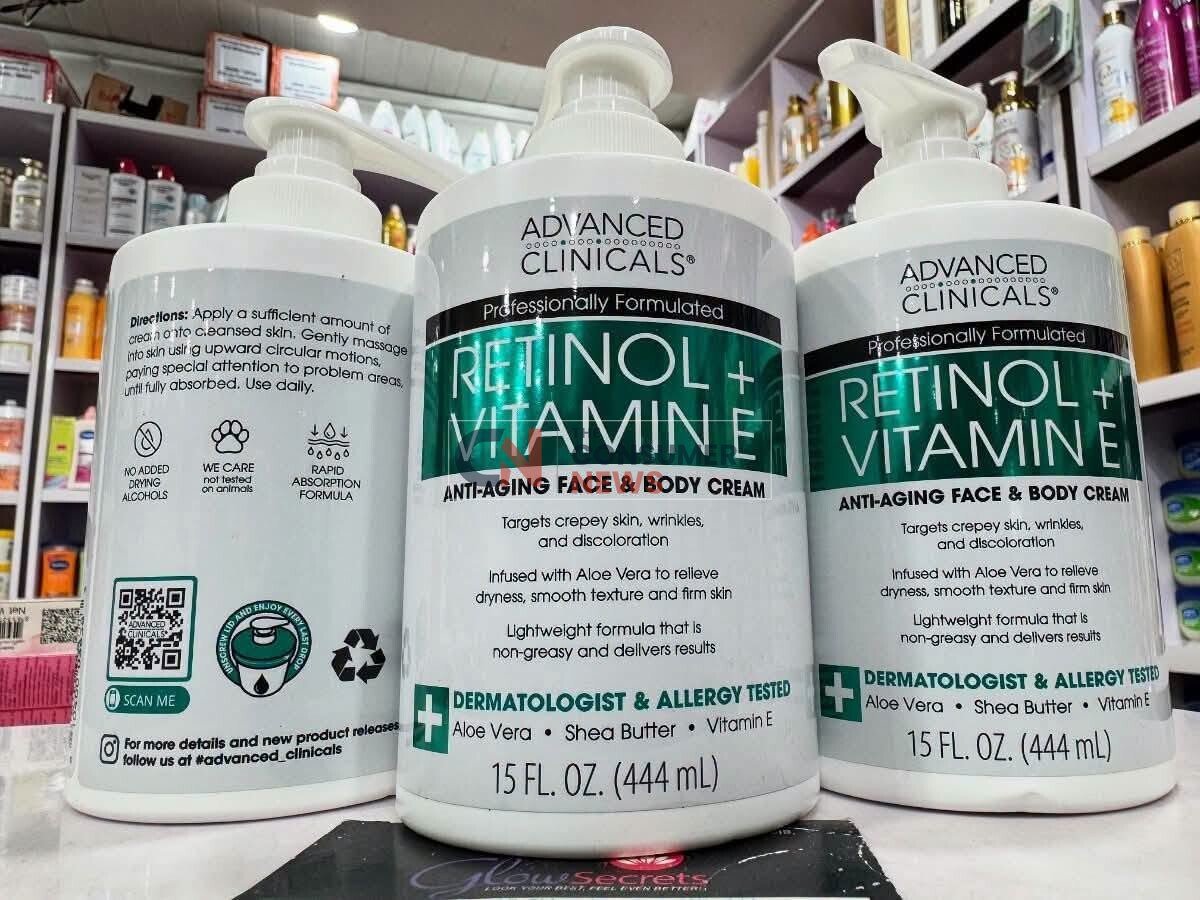
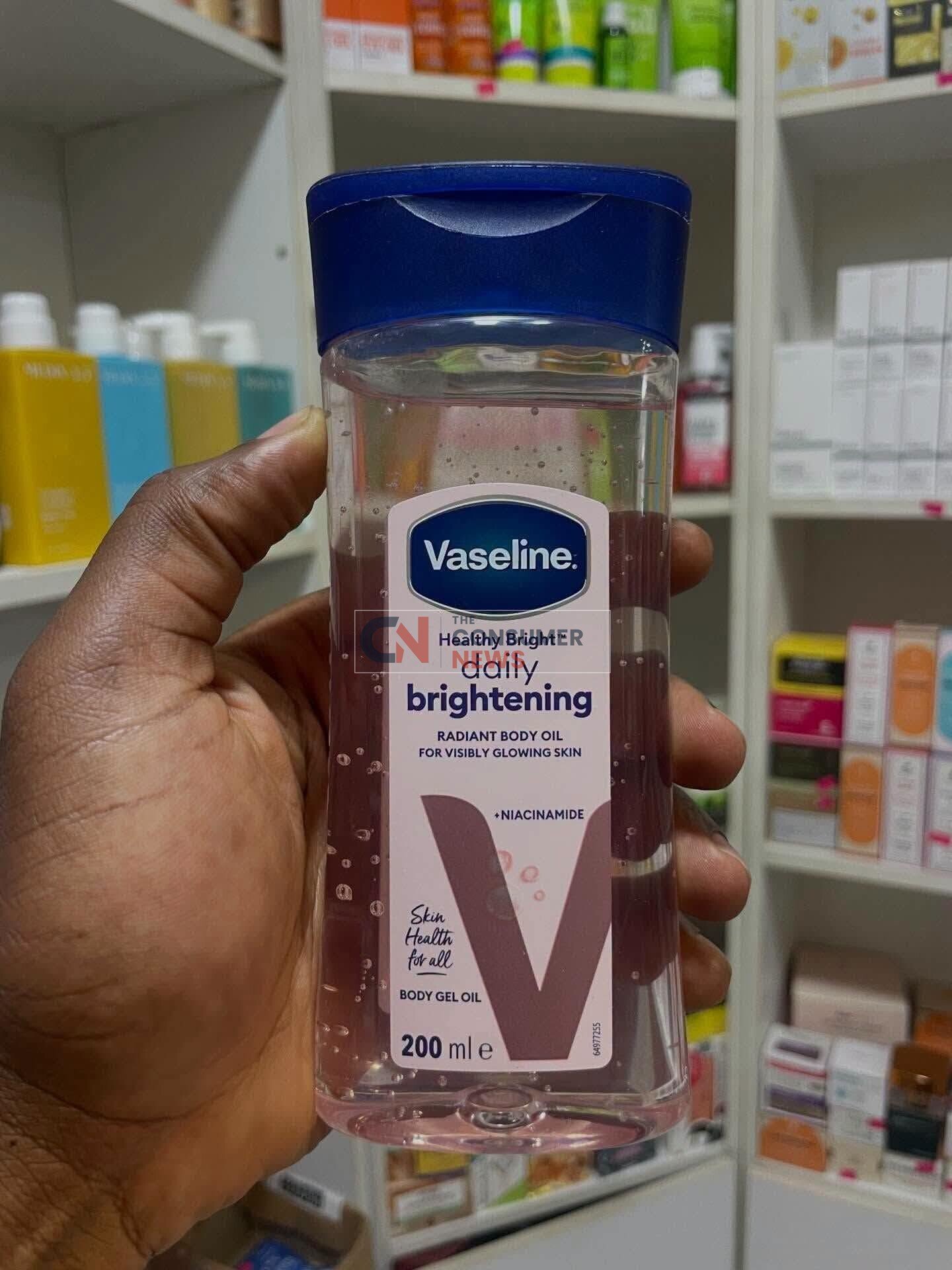
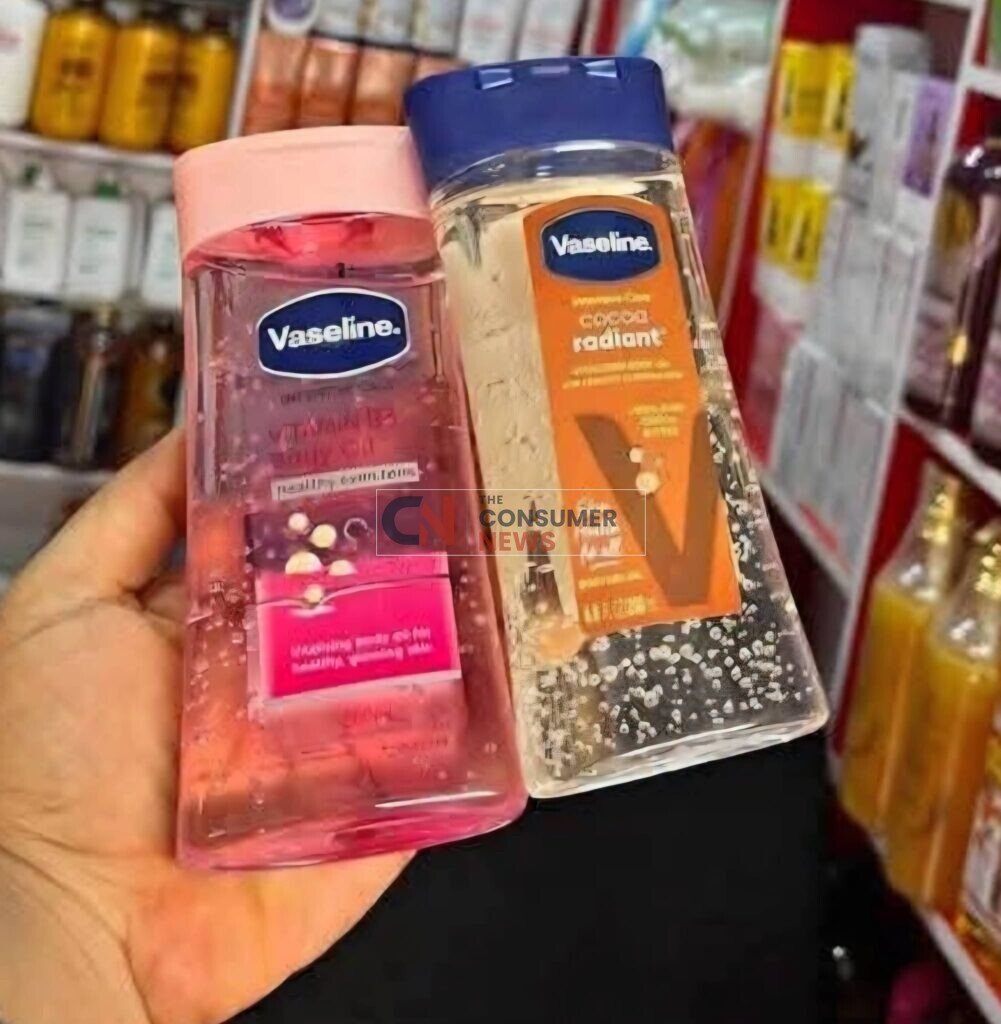
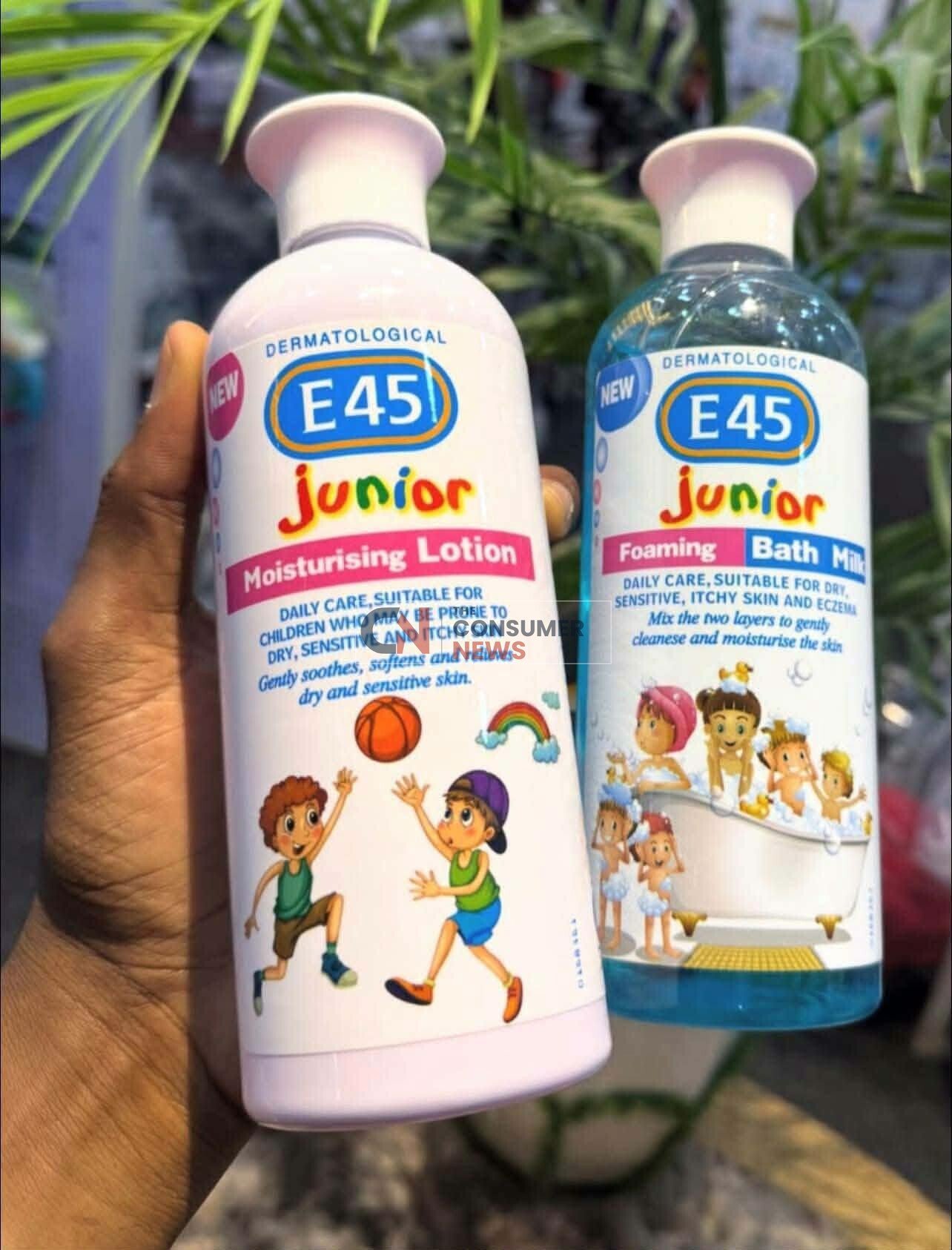
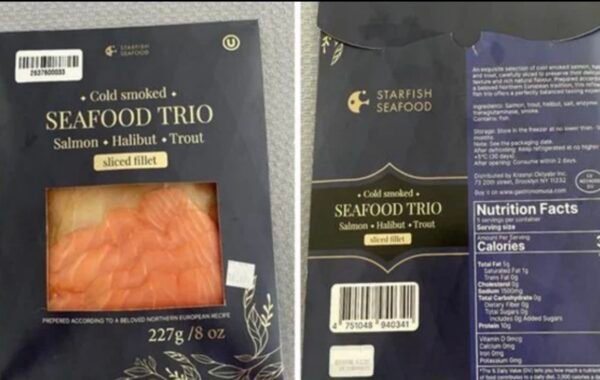
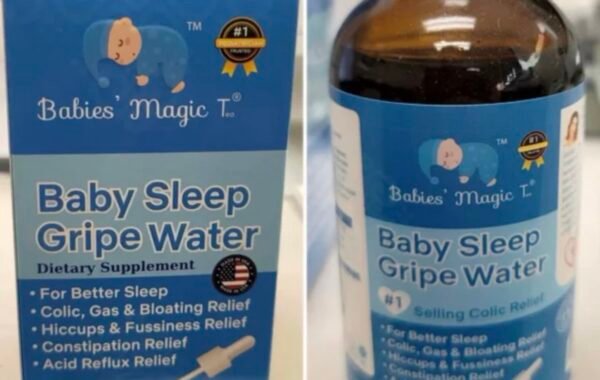
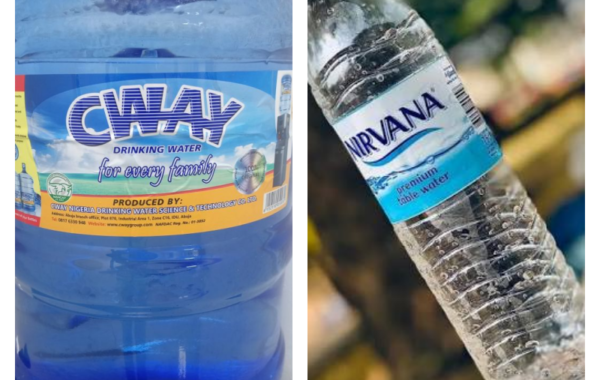
Below are some of the ”fake” products in the market.